👋 Welcome
This page provides simple tools and resources to help you stop smoking.
Quitting tobacco is one of the most important steps you can take to improve your health, reducing the risk of heart disease, cancer, COPD, and premature death. Whether you have tried quitting before or are preparing for your first attempt, success relies on understanding how addiction works and putting a structured, evidence-based plan in place. Even people who have smoked for many years benefit from quitting at any age.
🎆 What happens when you smoke!
I found this excellent video online that tells all about how body responds to smoking. Have a look.
Health Hazards of Smoking & Why You Should Quit
Tobacco smoke contains over 7,000 chemicals, including hundreds that are toxic and at least 69 known carcinogens. Long-term exposure damages nearly every organ system in the body:
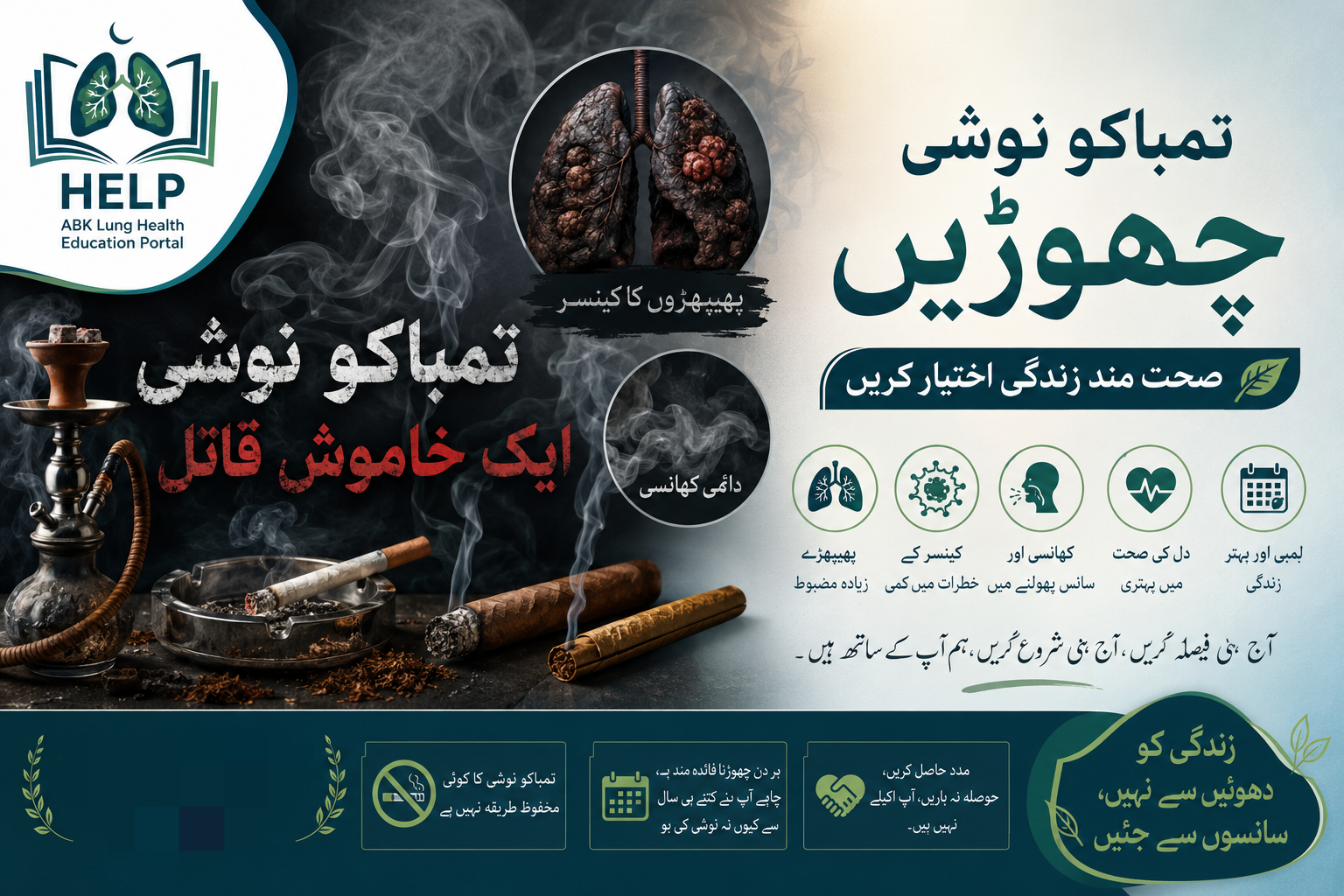
Respiratory System: Inhaled toxins damage the cilia (microscopic sweeping structures in the airways) and cause chronic inflammation, leading to Chronic Obstructive Pulmonary Disease (COPD), chronic bronchitis, emphysema, and a significantly heightened risk of lung cancer.
Cardiovascular System: Nicotine and carbon monoxide strain the heart by narrowing blood vessels, elevating blood pressure, and increasing blood clot risks—substantially driving up stroke and coronary heart disease incidence.
Systemic & Cellular Health: Smoking impairs immune response, delays wound healing, accelerates skin aging, and increases the risk of cancers throughout the body, including the mouth, throat, esophagus, bladder, and kidneys.
🫁 Why Quitting Smoking Matters
Stopping smoking leads to major health improvements:
- Better breathing and lung function
- Reduced cough and phlegm
- Lower risk of heart disease and stroke
- Reduced risk of many cancers
- Improved quality of life and longer life expectancy
🏃♂️ Health improvements after quitting
- 20 minutes: heart rate begins to fall
- 12 hours: carbon monoxide level returns to normal
- 2–12 weeks: circulation and lung function improve
- 1 year: risk of heart disease falls by about half
- 10 years: lung cancer risk decreases significantly
✨ Understanding Nicotine & Addiction
Quitting is challenging because tobacco creates a dual-layered dependence:
Physical Addiction: Nicotine triggers rapid dopamine release in the brain’s reward centers. When nicotine levels drop, physical withdrawal symptoms emerge—such as restlessness, irritability, intense cravings, and difficulty concentrating.
Behavioral & Psychological Habit: Smoking becomes intertwined with daily routines—such as lunch, taking work breaks, driving, or coping with emotional stress. Recognizing that cravings are temporary physiological spikes (typically lasting only 3 to 5 minutes) makes them far easier to manage.
🧠 Practical Steps to Quit Smoking
Phase 0: A Strong Will
While traditional evidence based interventions start from Phase 1 as below, I propose a phase zero for my patients as well.
- Clear Will: Whenever one wants to achieve anything, they have to clearly see themselves doing it. A strong clear statement to yourself that you are going to quit smoking is sometimes all that is needed to quit.
- Ask Allah: With all the interventions that one may make for a goal, if Allah’s Will is not part of it, it will fail. Pray the prayer of asking (SalatulHajat), make dua, and ask Allah to help you on this mission. When He is with you, nothing can stop you.
- Meditate on the Goal: Sit, close your eyes, breath deeply, and imagine yourself with a healthy lung in a calm breezy field, see yourself standing where you want to. See yourself at your goal that there will be a day when you have quit smoking entirely and persisted on it.
Phase 1: Preparation (Before Your Quit Date)
Preparation turns a vague desire to quit into an actionable plan:
-
Set a Clear Quit Date: Pick a specific day within the next 2 to 4 weeks to build momentum without losing focus.
-
Identify Personal Triggers: Keep a brief log of when and why you smoke (e.g., stress, post-meal, social settings) to plan alternative responses in advance.
-
Clear Your Environment of Reminders: Throw away all ashtrays, lighters, and cigarettes from your home, vehicle, and workspace. Clean fabrics and upholstery to remove lingering tobacco odor.
-
Build an Accountability Network: Inform family, close colleagues, and your primary healthcare provider about your goal so they can offer practical encouragement.
-
Find Quitting Friends: It is easier to quit together with a group. Find people who smoke and with a will to quit. Hold each other accountable and help each other quit.
Phase II: Managing Cravings and Withdrawals
When an urge strikes, rely on the “4 Ds” Strategy to ride out the craving:
- Delay: Wait 3 to 5 minutes before acting on an impulse. The peak intensity of a physical urge almost always fades within this window.
- Deep Breathing: Take slow, deep inhalations through the nose and expand your abdomen, exhaling slowly to calm your autonomic nervous system.
- Drink Water: Sip cold water slowly. This satisfies the oral habit and helps flush out metabolic byproducts.
- Distract: Change your immediate environment or task. Walk away from your desk, engage in a quick physical stretch, or complete a simple puzzle, chew sugar-free gum. Engage in remembrance, recitation, repentance, and refuge with Allah, etc.
🎎 People who combine support + medication have higher quit success rates.
A smoking cessation support system is planned and coming soon at our clinic.
🚨 Withdrawal Symptoms (Temporary)
When quitting, you may experience:
- Irritability
- Anxiety
- Difficulty concentrating
- Increased appetite
- Strong cravings
These symptoms are temporary and usually improve within a few weeks.
Phase 3: Evidence-Based Treatments
Combining behavioral strategies with medical support significantly increases long-term quit rates.
- Nicotine Replacement Therapy (NRT): Over-the-counter options like transdermal patches deliver steady, low levels of nicotine to prevent heavy withdrawal, while short-acting forms (nicotine gum, lozenges) help control sudden breakthrough cravings.
- Prescription Medications: Oral non-nicotine medications (such as Varenicline or Bupropion) target nicotine receptors in the brain to reduce cravings and block the reinforcing satisfaction of smoking. Consult a medical professional to discuss if these options suit your medical profile.
- Clinical Counseling: Structured follow-ups with a physician, certified tobacco treatment specialist, or a clinical psychologist provide accountability and tailored coping mechanisms.
Combining counseling and medication significantly increases the chance of quitting successfully.
Phase 4: Long-Term Maintenance & Relapse Prevention
- Distinguish Between a “Slip” and a “Relapse”: If you smoke one cigarette, do not view the attempt as a total failure. Identify what triggered the slip, adjust your plan, and immediately resume your smoke-free routine.
- Adopt Healthy Coping Mechanisms: Replace smoking with regular aerobic exercise, structured stress management, or new hobbies that keep your hands engaged.
- Track Your Progress: Monitor health milestones and tally the financial savings from unpurchased packs to reinforce your success.
Conclusion & Clinical Support
Quitting smoking is a process of unlearning old patterns and establishing healthier habits. Every day without tobacco allows your lungs, heart, and vasculature to rebuild. If you are preparing to quit or need guidance choosing the right cessation aids, schedule an appointment with your us to tailor a safe, effective cessation plan.
Scientific References
-
World Health Organization (WHO). Health Benefits of Smoking Cessation. WHO Fact Sheets.
-
U.S. Department of Health and Human Services (USDHHS). The Health Consequences of Smoking—50 Years of Progress: A Report of the Surgeon General. Atlanta: CDC; 2014.
-
US Preventive Services Task Force (USPSTF). Interventions for Tobacco Smoking Cessation in Adults, Including Pregnant Persons: US Preventive Services Task Force Recommendation Statement. JAMA. 2021;325(3):265–279.
-
Centers for Disease Control and Prevention (CDC). Benefits of Quitting. National Center for Chronic Disease Prevention and Health Promotion, Office on Smoking and Health.
🌐 Further Links - Resources that may help
Pakistan Alliance for Nicotine and Tobacco Harm Reduction (PANTHR) is an initiative to reduce overall smoking in Pakistan. They have helpful dramas, talks and other material to help you quit smoking. Check out their website at PANTHR
You can further explore these helpful websites, apps and social media efforts:
Quit Smoking & Vaping | Expert Help & Support
Smokefree - an official US Government site
USA’s Center of Disease Control - Quit Tobacco page
بسم اللہ الرحمٰن الرحیم نحمدہ و نصلی و نسلم علی رسولہ الکریم
مرحبا
یہ صفحہ آپ کو تمباکونوشی چھوڑنے میں مدد کے لیے آسان طریقے، رہنمائی اور وسائل فراہم کرتا ہے۔
تمباکونوشی ترک کرنا آپ کی صحت کو بہتر بنانے کے لیے سب سے اہم ترین اقدامات میں سے ایک ہے، جس سے دل کی بیماریوں، سرطان (کینسر)، مزمن انسدادی پھیپھڑوں کا مرض (سی او پی ڈی، COPD)، اور قبل از وقت موت کا خطرہ کم ہو جاتا ہے۔ چاہے آپ نے پہلے بھی سگریٹ نوشی چھوڑنے کی کوشش کی ہو یا آپ پہلی بار کوشش کرنے کی تیاری کر رہے ہوں، کامیابی کا دارومدار اس بات پر ہے کہ آپ نشے کی نوعیت کو سمجھیں اور ایک منظم و سائنسی بنیادوں پر مبنی منصوبہ تشکیل دیں۔ یہاں تک کہ وہ افراد جو کئی دہائیوں سے تمباکونوشی کر رہے ہیں، وہ بھی کسی بھی عمر میں اسے چھوڑ کر بھرپور فائدہ حاصل کر سکتے ہیں۔
🎆 تمباکونوشی کے دوران آپ کے جسم میں کیا ہوتا ہے!
مجھے انٹرنیٹ پر یہ شاندار ویڈیو ملی جو بتاتی ہے کہ سگریٹ نوشی پر ہمارا جسم کس طرح ردعمل دیتا ہے۔ ضرور دیکھیے:
تمباکونوشی کے نقصانات اور آپ کو اسے کیوں چھوڑنا چاہیے
تمباکو کے دھوئیں میں 7,000 سے زائد کیمیائی مادے پائے جاتے ہیں، جن میں سینکڑوں زہریلے اور کم از کم 69 ایسے مادے شامل ہیں جو کینسر کا سبب بنتے ہیں۔ طویل مدتی سگریٹ نوشی جسم کے تقریباً ہر عضو کے نظام کو نقصان پہنچاتی ہے:
نظامِ تنفس (Respiratory System):
سانس کے ذریعے اندر جانے والے زہریلے اجزاء سانس کی نالیوں میں موجود بال نما سر والے خلیات (cilia) کو تباہ کر دیتے ہیں اور دائمی سوزش کا باعث بنتے ہیں۔ اس کے نتیجے میں مزمن انسدادی پھیپھڑوں کی بیماری (COPD)، مزمن التہابِ قصبات (کرانِک برونکائٹس) ، نُفاخ (ایمفیسیما)، اور پھیپھڑوں کے سرطان کا خطرہ نمایاں طور پر بڑھ جاتا ہے۔
قلبی و عروقی نظام (Cardiovascular System): نکوٹین اور کاربن مونو آکسائیڈ خون کی نالیوں کو تنگ کر کے، فشارِ خون (بلڈ پریشر) بڑھا کر، اور خون کے لوتھڑے (clots) بننے کا خطرہ پیدا کر کے دل پر شدید دباؤ ڈالتے ہیں—جس سے فالج اور دل کے امراض کے امکانات میں خاطر خواہ اضافہ ہو جاتا ہے۔
عمومی اور خلوی صحت (Systemic & Cellular Health): تمباکونوشی مدافعتی نظام کو کمزور کرتی ہے، زخم بھرنے کے عمل کو سست کرتی ہے، جلد کے بوڑھے ہونے کے عمل کو تیز کرتی ہے، اور جسم کے دیگر حصوں جیسے کہ منہ، گلے، خوراک کی نالی، مثانے اور گردوں کے کینسر کا خطرہ بڑھا دیتی ہے۔
🫁 تمباکونوشی چھوڑنا کیوں ضروری ہے
سگریٹ نوشی ترک کرنے سے صحت میں بڑی مثبت تبدیلیاں آتی ہیں:
- سانس لینے میں بہتری اور پھیپھڑوں کی بہتر کارکردگی
- کھانسی اور بلغم میں کمی
- امراضِ قلب اور فالج کے خطرے میں کمی
- کینسر کی کئی اقسام کے امکانات میں کمی
- بہتر معیارِ زندگی اور لمبی عمر کی امید
🏃♂️ سگریٹ چھوڑنے کے بعد صحت میں بتدریج بہتری
- 20 منٹ: دل کی دھڑکن معمول پر آنا شروع ہو جاتی ہے
- 12 گھنٹے: خون میں کاربن مونو آکسائیڈ کی سطح نارمل ہو جاتی ہے
- 2 سے 12 ہفتے: دورانِ خون اور پھیپھڑوں کے افعال بہتر ہو جاتے ہیں
- 1 سال: دل کے امراض کا خطرہ تقریباً آدھا رہ جاتا ہے
- 10 سال: پھیپھڑوں کے سرطان کا خطرہ نمایاں حد تک کم ہو جاتا ہے
✨ نکوٹین اور اس کی لت کو سمجھیں
تمباکونوشی چھوڑنا اس لیے مشکل ہوتا ہے کیونکہ تمباکو دوہری سطح پر انحصار پیدا کرتا ہے:
جسمانی انحصار (Addiction):
نکوٹین دماغ کے انعامی نظام میں ڈوپامین (dopamine) کے تیز رفتار اخراج کو متحرک کرتی ہے۔ جب جسم میں نکوٹین کی سطح گرتی ہے، تو کچھ نشہ چھوڑنے کی علامات (withdrawal symptoms) جنم لیتی ہیں—جیسے کہ بے چینی، چڑچڑاپن، شدید طلب، اور توجہ مرکوز کرنے میں دشواری۔
رویاتی اور نفسیاتی عادت:
تمباکونوشی روزمرہ کے معمولات کا حصہ بن جاتی ہے—جیسے کہ کھانے کے بعد، کام کے دوران وقفے، ڈرائیونگ، یا جذباتی دباؤ سے نمٹنے کے لیے۔محض یہ سمجھ لینے سے کہ سگریٹ کی شدید طلب عارضی ہوتی ہے (عام طور پر صرف 3 سے 5 منٹ تک رہتی ہے)، اس پر قابو پانا بہت آسان ہو جاتا ہے۔
🧠 تمباکونوشی ترک کرنے کے عملی اقدامات
مرحلہ 0: پختہ ارادہ اور نیت
اگرچہ روایتی سائنسی طریقہ کار نیچے دیے گئے مرحلہ 1 سے شروع ہوتے ہیں، میں اپنے مریضوں کے لیے “مرحلہ صفر” کی تجویز بھی پیش کرتا ہوں:
- واضح ارادہ: جب بھی کوئی شخص کچھ حاصل کرنا چاہتا ہے، تو ایک واضح اور مصمم ارادہ بہت سارے طریقوں سے زیادہ فائدہ مند ثابت ہوتا ہے۔ اپنے آپ سے ایک واضح اور پختہ عہد کہ “میں تمباکونوشی چھوڑنے جا رہا ہوں”، بعض اوقات ترک کرنے کے لیے یہی کافی ہوتا ہے۔
- اللہ تعالیٰ سے مدد: کسی بھی مقصد کے لیے انسان خواہ کتنی ہی تدابیر اختیار کر لے، اگر اس میں اللہ کی رضا اور توفیق شامل نہ ہو تو وہ ناکام ہو جاتا ہے۔ صلٰوۃ الحاجت پڑھیں، دعا مانگیں، اور اللہ سے اس مشن میں مدد طلب کریں۔ جب وہ آپ کے ساتھ ہو، تو کوئی چیز آپ کا راستہ نہیں روک سکتی۔
- مقصد کا مراقبہ اور تصور: پرسکون بیٹھ جائیں، آنکھیں بند کریں، گہرے سانس لیں، اور خود کو ایک سرسبز و شاداب، پرسکون میدان میں صحت مند پھیپھڑوں کے ساتھ سانس لیتے ہوئے دیکھیں۔ اپنے آپ کو اپنے اس مقصد پر دیکھیں کہ ایک دن آئے گا جب آپ سگریٹ نوشی مکمل طور پر چھوڑ چکے ہوں گے اور اس پر استقامت اختیار کیے ہوئے ہوں گے۔
مرحلہ 1: تیاری (سگریٹ چھوڑنے سے پہلے)
تیاری ایک غیر واضح خواہش کو ایک عملی منصوبے میں تبدیل کرتی ہے:
-
چھوڑنے کی حتمی تاریخ مقرر کریں: اگلے 2 سے 4 ہفتوں کے اندر ایک مخصوص دن کا انتخاب کریں تاکہ توجہ برقرار رہے اور عمل میں تاخیر نہ ہو۔
-
ذاتی محرکات (Triggers) کی پہچان: ایک مختصر ڈائری رکھیں کہ آپ کب اور کیوں سگریٹ پیتے ہیں (مثلاً ذہنی دباؤ، کھانے کے بعد، یا دوستوں کی محفل) تاکہ پیشگی متبادل سرگرمیوں کی منصوبہ بندی کی جا سکے۔
-
ماحول کو یاد دہانیوں سے پاک کریں: اپنے گھر، گاڑی اور کام کی جگہ سے تمام ایش ٹرے، لائٹرز اور سگریٹ پھینک دیں۔ تمباکو کی بچی کچی بو ختم کرنے کے لیے کپڑے، پردے اور صوفے صاف کریں۔
-
اپنے رقیب بنائیں: اپنے خاندان، قریبی ساتھیوں، اور اپنے معالج کو اپنے فیصلے سے آگاہ کریں تاکہ وہ آپ کی عملی حوصلہ افزائی کر سکیں۔
-
ساتھی تلاش کریں: اکیلے محنت کرنے کے بجائے ایک جماعت کے ساتھ مل کر چھوڑنا زیادہ آسان ہوتا ہے۔ ایسے لوگوں کو تلاش کریں جو سگریٹ نوشی کرتے ہوں مگر چھوڑنے کا پختہ ارادہ رکھتے ہوں۔ ایک دوسرے کو جوابدہ رکھیں اور ایک دوسرے کی مدد کریں۔
مرحلہ 2: طلب اور نشہ چھوڑنے کی علامات سے نمٹنا
جب سگریٹ پینے کی شدید طلب ہو، تو طلب کی لہر پر قابو پانے کے لیے “4Ds” حکمتِ عملی پر عمل کریں: جب سگریٹ پینے کی شدید طلب ہو تو اس طلب کی لہر پر قابو پانے کے لیے “4 ت” حکمتِ عملی اپنائیں:
- توقف کریں (توقف): جذبے کے تحت فوراً سگریٹ سلگانے کے بجائے 3 سے 5 منٹ انتظار کریں۔ طلب کی شدت عام طور پر اسی مختصر وقت میں ماند پڑ جاتی ہے۔
- تنفس کریں (تنفس): ناک کے ذریعے آہستہ آہستہ گہرے سانس لیں، پیٹ کو پھیلائیں، اور آہستہ آہستہ سانس باہر نکالیں تاکہ اعصابی نظام پرسکون ہو جائے۔
- تازہ پانی پئیں (تر): ٹھنڈا پانی گھونٹ گھونٹ کر پئیں۔ یہ منہ کی بار بار کچھ لینے کی عادت کو پورا کرتا ہے اور زہریلے مادوں کے اخراج میں بھی مدد دیتا ہے.
- توجہ بدلیں (توجہ): اپنا فوری ماحول یا کام بدل لیں۔ میز سے اٹھ جائیں، ہلکی پھلکی ورزش یا اسٹریچنگ کریں، کوئی پزل حل کریں، یا شوگر فری گم چبائیں۔ اللہ کے ذکر، تلاوت، توبہ و استغفار میں مشغول ہو جائیں۔
🎎 وہ افراد جو رہنمائی و مدد + ادویات کا امتزاج استعمال کرتے ہیں، ان کی کامیابی کی شرح نمایاں طور پر زیادہ ہوتی ہے۔
تمباکونوشی ترک کرنے کا ایک جامع معاون نظام ہمارے کلینک میں جلد شروع کیا جا رہا ہے۔ ان شاءاللہ ۔
🚨 تمباکو چھوڑنے کی علامات (عارضی)
تمباکونوشی چھوڑتے وقت آپ کو درج ذیل علامات کا سامنا ہو سکتا ہے:
- چڑچڑاپن
- بے چینی اور اضطراب
- توجہ مرکوز کرنے میں دشواری
- بھوک کا بڑھ جانا
- سگریٹ کی شدید طلب
یہ علامات عارضی ہیں اور عموماً چند ہفتوں کے اندر خود بخود ختم یا بہتر ہو جاتی ہیں۔
مرحلہ 3: سائنسی اور طبی بنیادوں پر علاج
رویاتی حکمتِ عملیوں کو طبی رہنمائی کے ساتھ ملانا طویل مدتی کامیابی کے امکانات کو نمایاں طور پر بڑھا دیتا ہے۔
- نکوٹین مبدل علاج (NRT): فارمیسی پر دستیاب پیچز (transdermal patches) جسم کو نکوٹین کی مستقل اور کم مقدار فراہم کرتے ہیں تاکہ علامات شدت اختیار نہ کریں، جبکہ فوری اثر رکھنے والی مصنوعات (جیسے نکوٹین گم یا گولیاں) اچانک ہونے والی شدید طلب کو کنٹرول کرنے میں مدد دیتی ہیں۔
- ڈاکٹری نسخے کی ادویات: غیر نکوٹین ادویات (جیسے Varenicline یا Bupropion) دماغ میں موجود نکوٹین ریسیپٹرز پر اثر انداز ہو کر طلب کو کم کرتی ہیں اور تمباکونوشی سے ملنے والے مصنوعی سکون کو ختم کر دیتی ہیں۔ ان ادویات کے استعمال کیلیے اپنے ڈاکٹر سے ضرور مشورہ کریں۔
- کلینیکل مشاورت: کسی معالج، تصدیق شدہ تمباکو اسپیشلسٹ، یا ماہرِ نفسیات کے ساتھ باقاعدہ نشستیں احتساب، احساس اور نفسیاتی مسائل سے نمٹنے میں مدد دیتی ہیں۔
مشاورت اور ادویات کا بیک وقت استعمال کامیابی سے سگریٹ چھوڑنے کے امکانات کو نمایاں حد تک بڑھا دیتا ہے۔
مرحلہ 4: طویل مدتی استحکام اور دوبارہ شروع ہونے سے بچاؤ
- عارضی غلطی (Slip) اور دوبارہ عادی بننے (Relapse) میں فرق سمجھیں: اگر آپ غلطی سے ایک سگریٹ پی بھی لیں تو اپنی پوری کوشش کو ناکام مت سمجھیں۔ یہ جانچیں کہ کس بات نے آپ کو دوبارہ اکسایا، اپنے ارادے کو ازسر نو مضبوط کریں اور طریقہ کار کو درست کریں، اور فوراً سگریٹ سے پاک معمول پر واپس آ جائیں۔
- صحت مند متبادل اپنائیں: سگریٹ نوشی کی جگہ باقاعدہ ورزش، ذہنی دباؤ کے انتظام کے طریقے، یا ایسے نئے مشاغل اپنائیں جن میں آپ کا ذہن اور جسم مصروفِ عمل رہیں۔
- اپنی پیشرفت کا جائزہ لیں: اپنی صحت کے اہداف پر نظر رکھیں اور سگریٹ نہ خریدنے سے بچنے والی رقم کا حساب لگائیں تاکہ آپ کو اپنی کامیابی پر فخر ہو۔
خلاصہ اور کلینیکل سپورٹ
تمباکونوشی ترک کرنا پرانی عادات کو مٹانے اور نئی، صحت مند عادات اپنانے کا ایک مرحلہ وار سفر ہے۔ تمباکو کے بغیر گزرنے والا ہر ایک دن آپ کے پھیپھڑوں، دل اور خون کی نالیوں کو دوبارہ بحال ہونے کا موقع دیتا ہے۔ اگر آپ سگریٹ چھوڑنے کی تیاری کر رہے ہیں یا مناسب معاون ذرائع کے انتخاب میں رہنمائی چاہتے ہیں، تو ہمارے ساتھ اپنا وقت طے کریں تاکہ آپ کے لیے ایک محفوظ اور مؤثر منصوبہ ترتیب دیا جا سکے۔
سائنسی حوالہ جات (Scientific References)
-
World Health Organization (WHO). Health Benefits of Smoking Cessation. WHO Fact Sheets.
-
U.S. Department of Health and Human Services (USDHHS). The Health Consequences of Smoking—50 Years of Progress: A Report of the Surgeon General. Atlanta: CDC; 2014.
-
US Preventive Services Task Force (USPSTF). Interventions for Tobacco Smoking Cessation in Adults, Including Pregnant Persons: US Preventive Services Task Force Recommendation Statement. JAMA. 2021;325(3):265–279.
-
Centers for Disease Control and Prevention (CDC). Benefits of Quitting. National Center for Chronic Disease Prevention and Health Promotion, Office on Smoking and Health.
🌐 مزید لنکس - مددگار وسائل
پاکستان الائنس فار نکوٹین اینڈ ٹوبیکو ہارم ریڈکشن (PANTHR) پاکستان میں سگریٹ نوشی کو کم کرنے کا ایک قومی اقدام ہے۔ ان کے پاس سگریٹ چھوڑنے میں آپ کی مدد کے لیے مفید ڈرامے، گفتگو اور مواد موجود ہے۔ ان کی ویب سائٹ دیکھیں:
PANTHR
آپ مزید رہنمائی کے لیے درج ذیل مفید ویب سائٹس، ایپس اور سوشل میڈیا مہمات بھی دیکھ سکتے ہیں:
Quit Smoking & Vaping | Expert Help & Support
Smokefree - an official US Government site
USA’s Center of Disease Control - Quit Tobacco page
If a breathing change is persistent, worsening, or worrying, seek advice from a qualified healthcare professional.
اگر سانس میں تبدیلی مسلسل ہو، بڑھ رہی ہو یا تشویش کا باعث ہو تو مستند طبی ماہر سے مشورہ کریں۔